Sign In

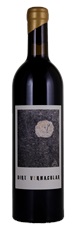
2022 Alvaro Palacios Rioja Quiñón de Valmira

Not Currently In Auction

Latest Sale Price

April 27, 2025 - $350

Estimate

Have a 2022 Alvaro Palacios Rioja Quiñón de Valmira to sell?
Get a Free Estimate

RATINGS

97The Wine Advocate

...floral, expressive, elegant and open...ripeness, juicy red fruit and very fine tannins, just slightly dusty...finishes dry and with some stony austerity...

97James Suckling

This is exceptionally pure, nervy and fragrant, with bright and incisive aromas that bring to mind red fruits with lavender and Mediterranean herbs, grapefruit zest, white pepper and exotic spices... The palate is equally seductive, fluid and elegant.

95-97Vinous / IWC

...herbal nose showcases elder and sour cherry, along with mint and chamomile notes against a faint and delicate cedar backdrop. Dry and cleansing on the palate, the fairly chalky texture leads to a compact, long-lasting, Worcestershire sauce finish.

17.5Jancis Robinson

Smooth, ripe fruit on the palate but retains lovely elegance and freshness. Restrained notes of sappy wood and savoury characters all add to great complexity in the mouth. Violet and crushed rose on the nose.

PRODUCER

Alvaro Palacios

Alvaro Palacios is a Priorat winemaker established in 1990, when Alvaro Palacios bought his first vineyard, Finca Dofi. Palacios comes from a well-known winemaking family and he studied in Bordeaux before launching his own winery. The signature wines are Finca Dofi and L’Ermita. Robert M. Parker Jr. has written that “L’Ermita comes from a parcel of 70-year-old vines of which 85% is Garnacha; the balance Carinena and Cabernet Sauvignon. It is a benchmark for a great Priorat.”

REGION

Spain, Rioja

Rioja Demoninación de Origine Calificada is Spain’s most important wine region. Located in northern Spain, it comprises 135,000 vineyard acres and was the first official appellation in Spain, earning its official DO status in 1926. In 1991 it became Spain’s first DOCa, Spain’s most prestigious appellation category. The DOCa is divided into three subzones: La Rioja Alavesa in the northeast; La Rioja Alta in the southwest; and La Rioja Baja in the east. About 75 percent of Rioja wines are reds, with Tempranillo the predominant grape. Garnacha (Grenache), Mazuelo (Carignan) and Graciano, a spicy, high-acidity red grape, are also allowed. White wines are made from Macabeo, Garnacha Blanca and Malvasia. Wines were made in this region well before the Romans arrived, though the Romans then the medieval monks refined vineyard management and wine production. In the 19th century French families migrated to Rioja after phylloxera wiped out their vineyards, and the French helped establish the tradition of wine blends, still part of Rioja winemaking. According to the rules for the appellation, a wine labelled a simple Rioja can spend less than a year in an oak aging barrel. A Criziana is aged for at least two years, one in oak. Rioja Reserva is aged at least three years, with at least one in oak. A Rioja Gran Reserva must be aged at least five years, with two years in oak.

TYPE

Red Wine, Grenache

One of the most popular red varieties planted, it ripens late and prefers hot dry climates. It probably originated in Spain, where it is still widely grown. Grenache is best known for its use in Southern Rhone wines, including those of Chateauneuf-du-Pape.

VINTAGE

2022 Alvaro Palacios Rioja Quiñón de Valmira